
Scotland Map
Zoom in on castles, lochs, glens and islands, see how far each one is from Edinburgh, and trace our private tour routes across the country. Tap any pin for photos and travel tips.
- 5.0 on Google
- 20 places on the map
- Hotel-door pickup
Where Is Scotland?
Scotland is the northern part of Great Britain, the largest island in the British Isles. It shares a border with England to the south, with the North Sea to the east and the Atlantic Ocean to the north and west.
Scotland is one of the four countries of the United Kingdom, alongside England, Wales and Northern Ireland, and has its own parliament in Edinburgh. As well as the mainland, it includes the islands of the Hebrides, Orkney and Shetland.
For visitors, the useful thing to know is scale: Edinburgh to Loch Ness is around three and a half hours by road, and the Isle of Skye around five. That is why we plan day tours for nearby highlights and two- or three-day trips for the far north-west.
Scotland at a Glance
Sources: Scotland’s Census 2022 (National Records of Scotland) and Ordnance Survey. Checked October 2026.
Map of Scotland with Cities, Castles & the Highlands
See Scotland on a map, from Edinburgh and Glasgow to Loch Ness, Glencoe and the Isle of Skye. Every pin is a place you can visit on a private tour from Edinburgh.
Tourist Map of Scotland
Filter by castles, lochs, Highlands or islands, or pick a tour route to see where it goes.
Best Places to Visit in Scotland
Twenty of Scotland’s must-see places, from Edinburgh Castle to the Isle of Skye, with the drive time from Edinburgh and the private tour that takes you there. Every card is a pin on the map above.
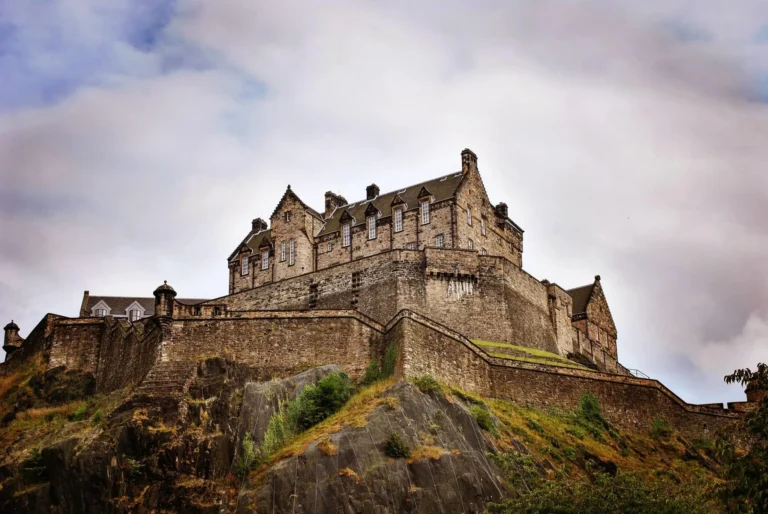
Edinburgh Castle & Old Town
Scotland’s capital, with its castle on a volcanic rock, the Royal Mile and the closes of the Old Town. Every tour starts here.
- Your pickup city
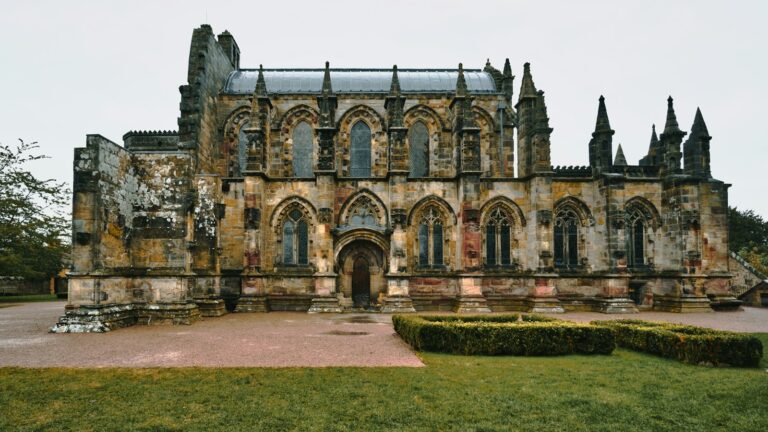
Rosslyn Chapel
A 15th-century chapel covered in extraordinary stone carvings, made famous by The Da Vinci Code.
- 30 min from Edinburgh

The Forth Bridges
Three bridges from three centuries cross the Firth of Forth, led by the red Forth Bridge, a UNESCO World Heritage Site.
- 25 min from Edinburgh
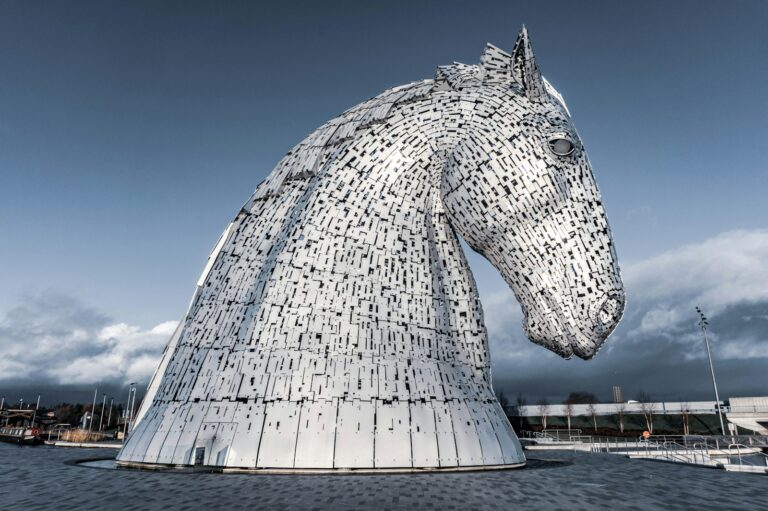
The Kelpies
Two 30-metre steel horse heads beside the Forth & Clyde Canal, among Scotland’s most photographed modern landmarks.
- 40 min from Edinburgh
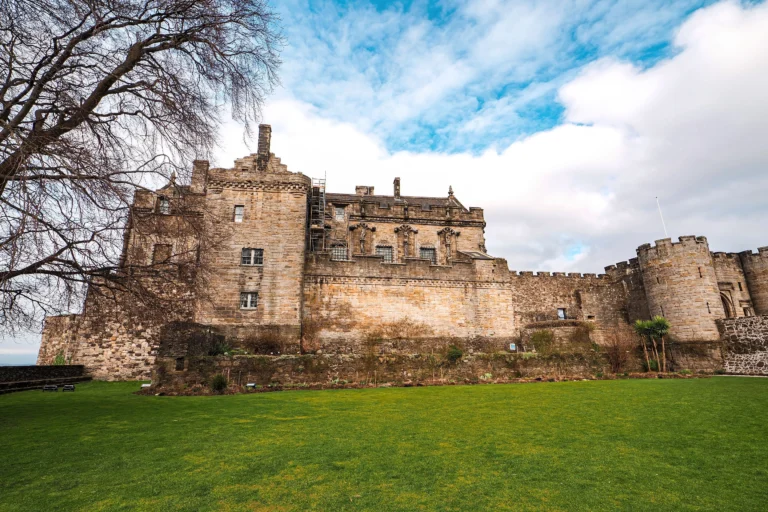
Stirling Castle
One of Scotland’s grandest castles, high on its crag above the battlefields of Stirling Bridge and Bannockburn.
- 1 hr from Edinburgh
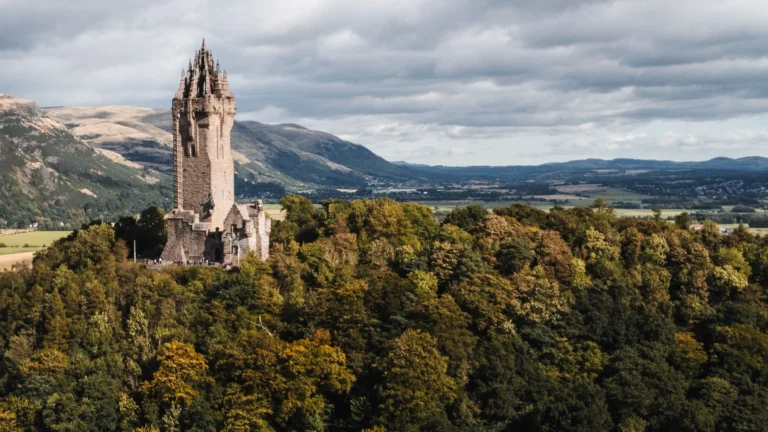
The Wallace Monument
A Victorian tower on Abbey Craig honouring William Wallace, with wide views over the Forth valley.
- 1 hr from Edinburgh
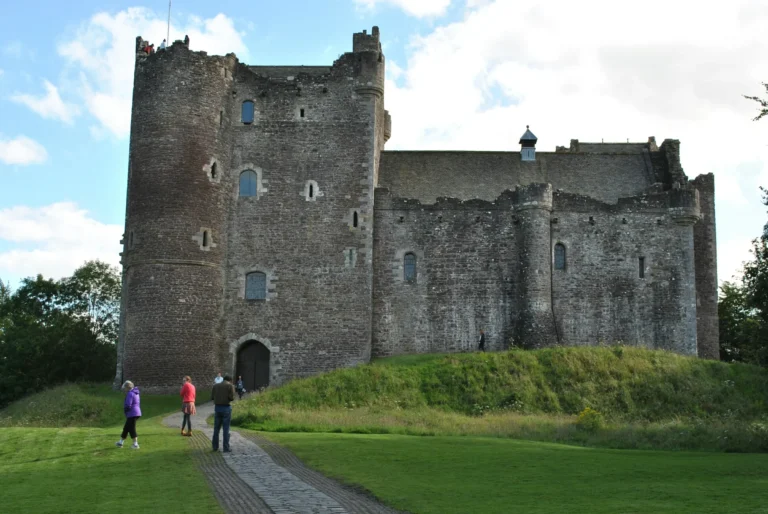
Doune Castle
A remarkably complete 14th-century castle, familiar from Outlander, Game of Thrones and Monty Python.
- 1 hr from Edinburgh
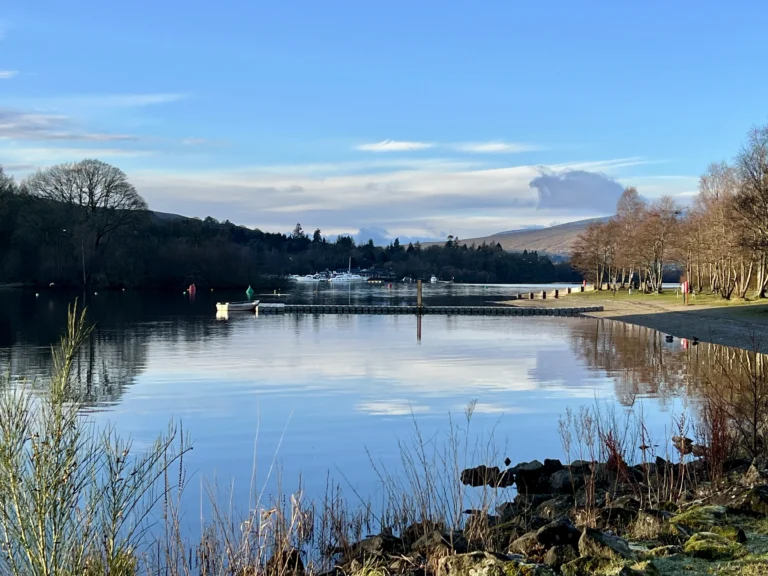
Loch Lomond
Britain’s largest loch by surface area, with wooded islands and Ben Lomond above the bonnie banks.
- 1 hr 30 min from Edinburgh
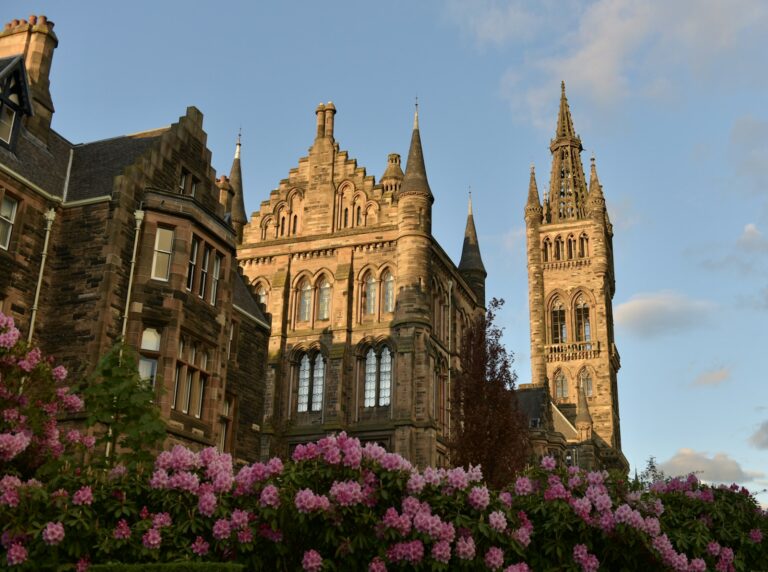
Glasgow
Scotland’s largest city, known for its Victorian architecture, free museums and music. Pickup available on request.
- 1 hr 15 min from Edinburgh
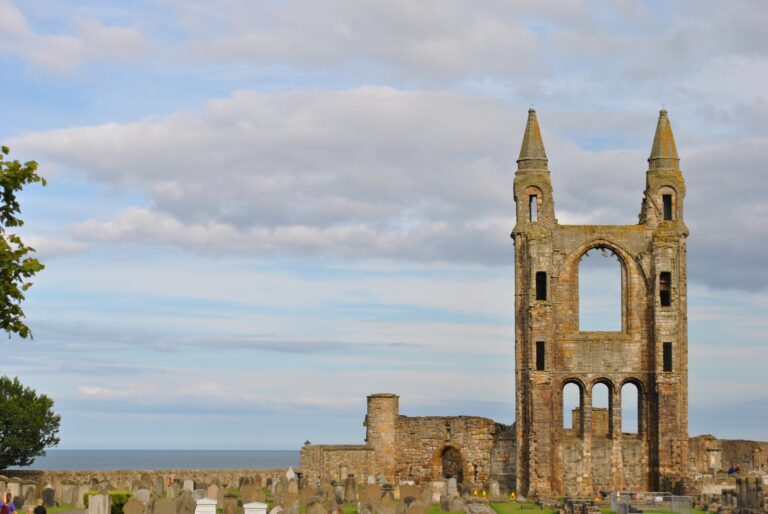
St Andrews
The home of golf, with a ruined cathedral above the sea and the fishing villages of the East Neuk close by.
- 1 hr 30 min from Edinburgh
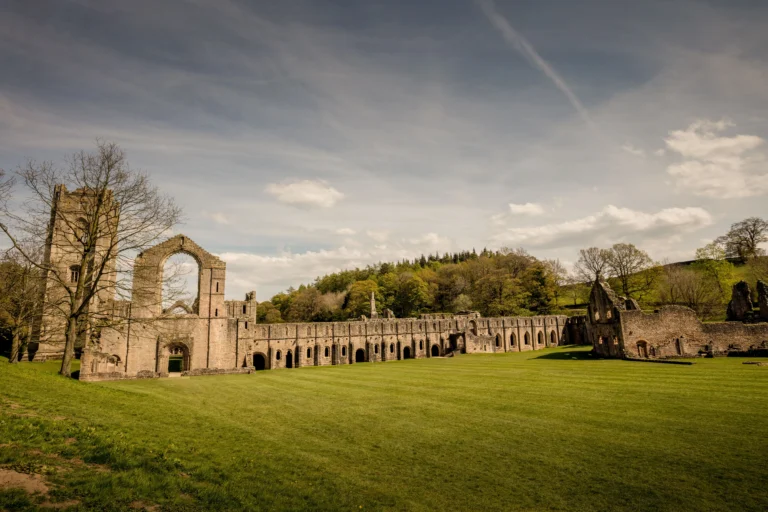
Kelso Abbey
The ruins of a 12th-century abbey in a handsome market town on the River Tweed.
- 1 hr 15 min from Edinburgh
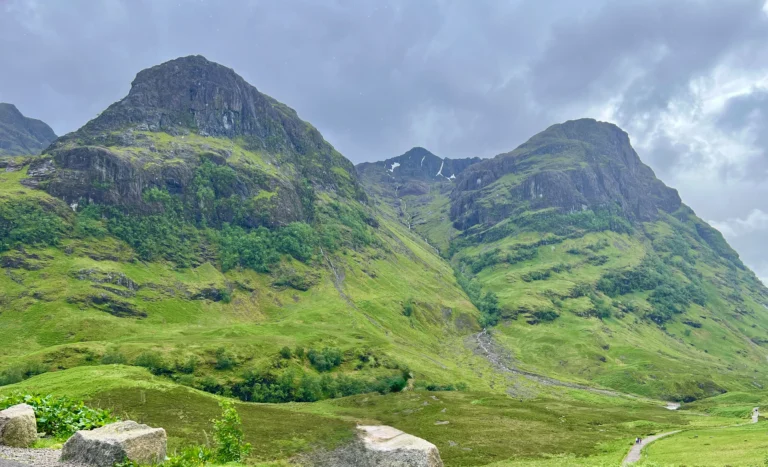
Glencoe
Scotland’s most dramatic glen, with the Three Sisters, waterfalls and a story that goes back to 1692.
- 2 hrs 45 min from Edinburgh
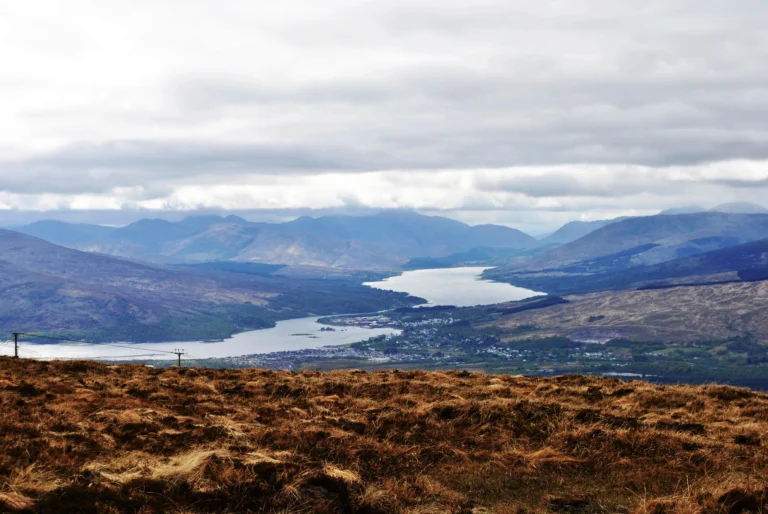
Ben Nevis & Fort William
Fort William sits beneath Ben Nevis, at 1,345 metres the highest mountain in the British Isles.
- 3 hrs from Edinburgh
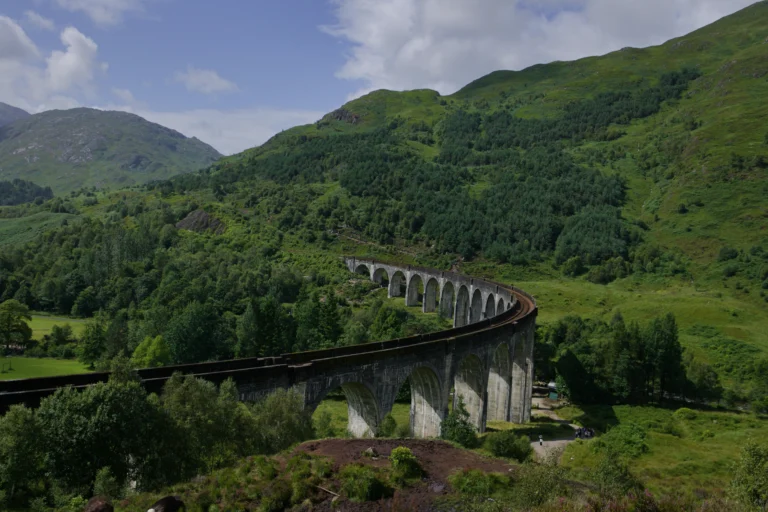
Glenfinnan Viaduct
The curving railway viaduct from the Harry Potter films, looking down Loch Shiel.
- 3 hrs 30 min from Edinburgh

Loch Ness & Urquhart Castle
The legendary home of Nessie, with the ruins of Urquhart Castle on its shore.
- 3 hrs 30 min from Edinburgh
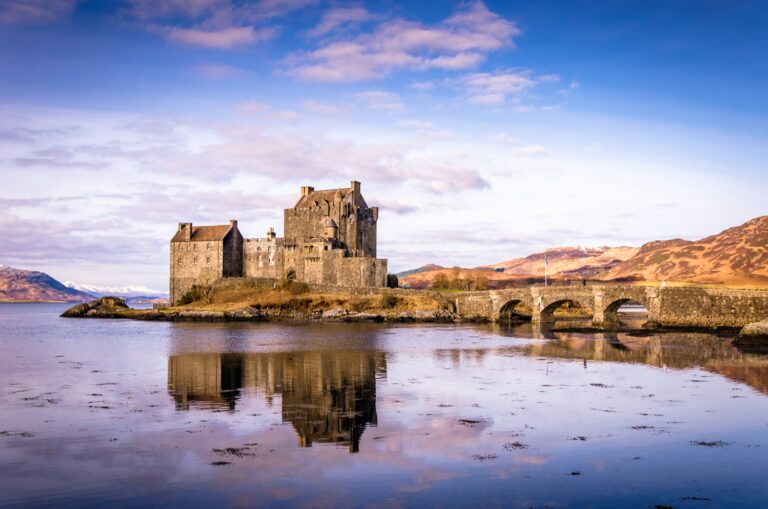
Eilean Donan Castle
A castle on a small tidal island where three sea lochs meet, on the road to the Isle of Skye.
- 4 hrs 30 min from Edinburgh
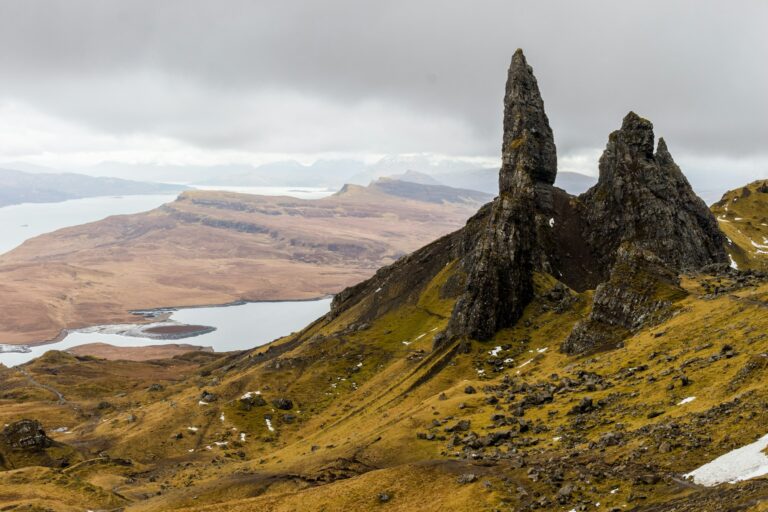
The Old Man of Storr
A 50-metre rock pinnacle on the Trotternish ridge, and the Isle of Skye’s most famous landmark.
- 5 hrs from Edinburgh

The Fairy Pools
Clear blue pools and waterfalls beneath the Black Cuillin mountains. Non-slip shoes are a must.
- 5 hrs from Edinburgh
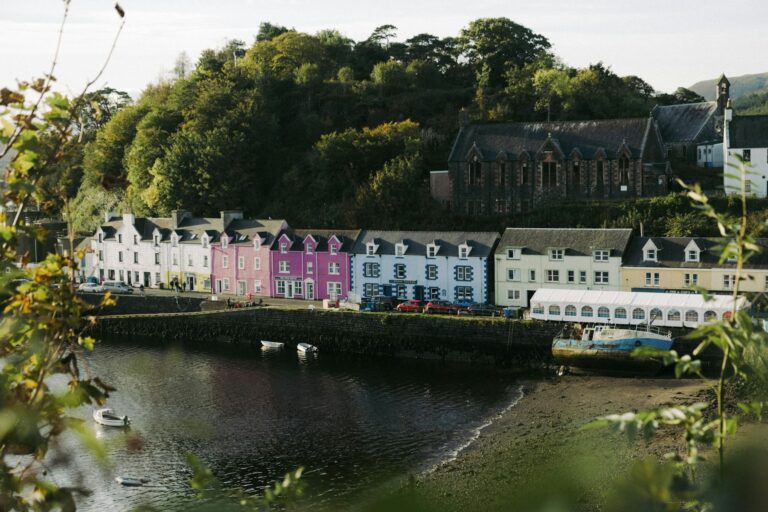
Portree
Skye’s main town, with a harbour lined with brightly painted houses.
- 5 hrs from Edinburgh
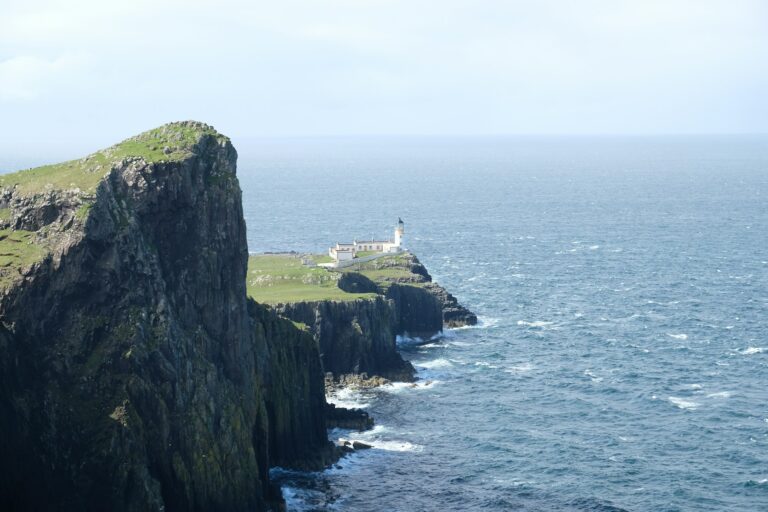
Neist Point
A lighthouse on sea cliffs at the far west of Skye, and one of the best sunset spots in Scotland.
- 5 hrs 30 min from Edinburgh
Map of Scotland’s Regions
Scotland is easiest to plan region by region. Here is what each area offers and how far it is from Edinburgh, where all of our tours begin.
Edinburgh & the Lothians
Scotland’s capital and the coast and countryside around it, including Rosslyn Chapel and the Forth Bridges.
- Up to 45 min from Edinburgh
Central Scotland & Loch Lomond
Stirling Castle, the Wallace Monument, Doune Castle, the Kelpies, Glasgow and the bonnie banks of Loch Lomond.
- 45 min to 1½ hrs from Edinburgh
Fife & St Andrews
The home of golf, sandy beaches and the fishing villages of the East Neuk, just over the Forth Bridges.
- About 1½ hrs from Edinburgh
The Scottish Borders
Rolling hills, the River Tweed and the great ruined abbeys of Melrose, Kelso and Jedburgh.
- About 1–1½ hrs from Edinburgh
The Scottish Highlands
Glencoe, Ben Nevis, the Glenfinnan Viaduct and Loch Ness: mountains, glens and lochs on a grand scale.
- 2½ to 4½ hrs from Edinburgh
Isle of Skye & the Islands
Skye’s Old Man of Storr and Fairy Pools, plus Mull, Iona, the Outer Hebrides and Orkney beyond.
- 5 hrs or more from Edinburgh
Scotland on the Map: Quick Answers
Short, plain answers to the questions people ask most when they look up a map of Scotland. Facts checked October 2026.
Where is Scotland on the map of Europe?
Scotland is in north-west Europe, on the northern third of the island of Great Britain. England lies to the south and Norway is across the North Sea to the east. Northern Ireland is about 13 miles away across the North Channel at its narrowest point.
Is Scotland part of England?
No. Scotland and England are separate countries that share a 96-mile land border. Both belong to the United Kingdom, together with Wales and Northern Ireland. Scotland has its own parliament in Edinburgh, as well as its own legal and education systems.
Is Scotland an island?
No. Scotland covers the northern part of Great Britain, an island it shares with England and Wales. It also takes in around 800 smaller islands, including Skye, Mull, Lewis and Harris, Orkney and Shetland, and about 90 of them are lived on.
What is the capital of Scotland?
Edinburgh is the capital of Scotland and home to the Scottish Parliament. It sits on the east coast, on the southern shore of the Firth of Forth. Glasgow, about an hour’s drive west, is the largest city.
How many cities are in Scotland?
Scotland has eight cities: Aberdeen, Dundee, Dunfermline, Edinburgh, Glasgow, Inverness, Perth and Stirling. Dunfermline is the newest, gaining city status in 2022. Edinburgh is the capital and Glasgow has the most people.
How many people live in Scotland?
Scotland’s 2022 census counted 5,436,600 people, the highest number ever recorded (National Records of Scotland). Most live in the Central Belt between Glasgow and Edinburgh, while the Highlands and Islands are very sparsely populated.
Why Choose Tycoon Tours for Your Scotland Trip?
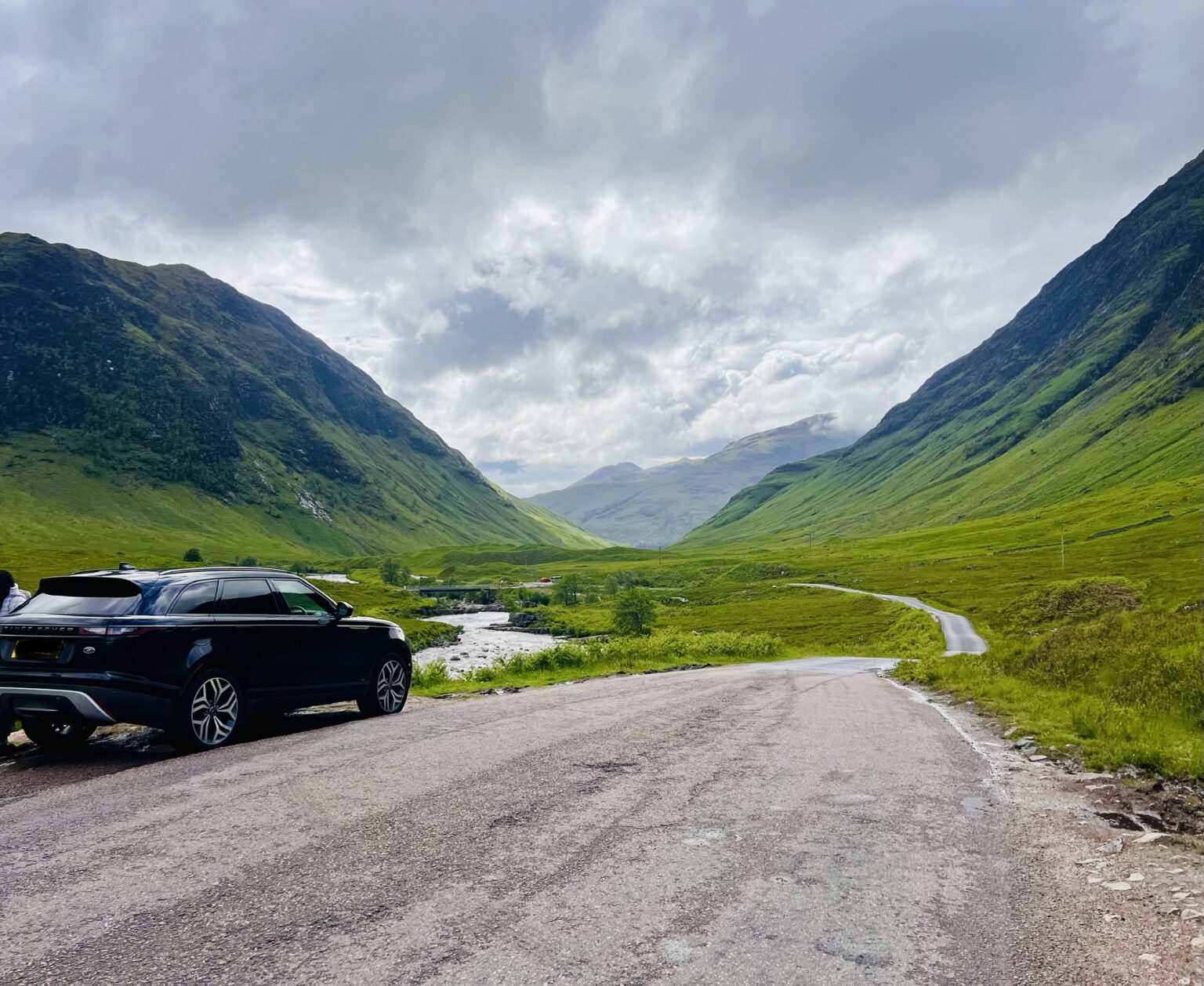
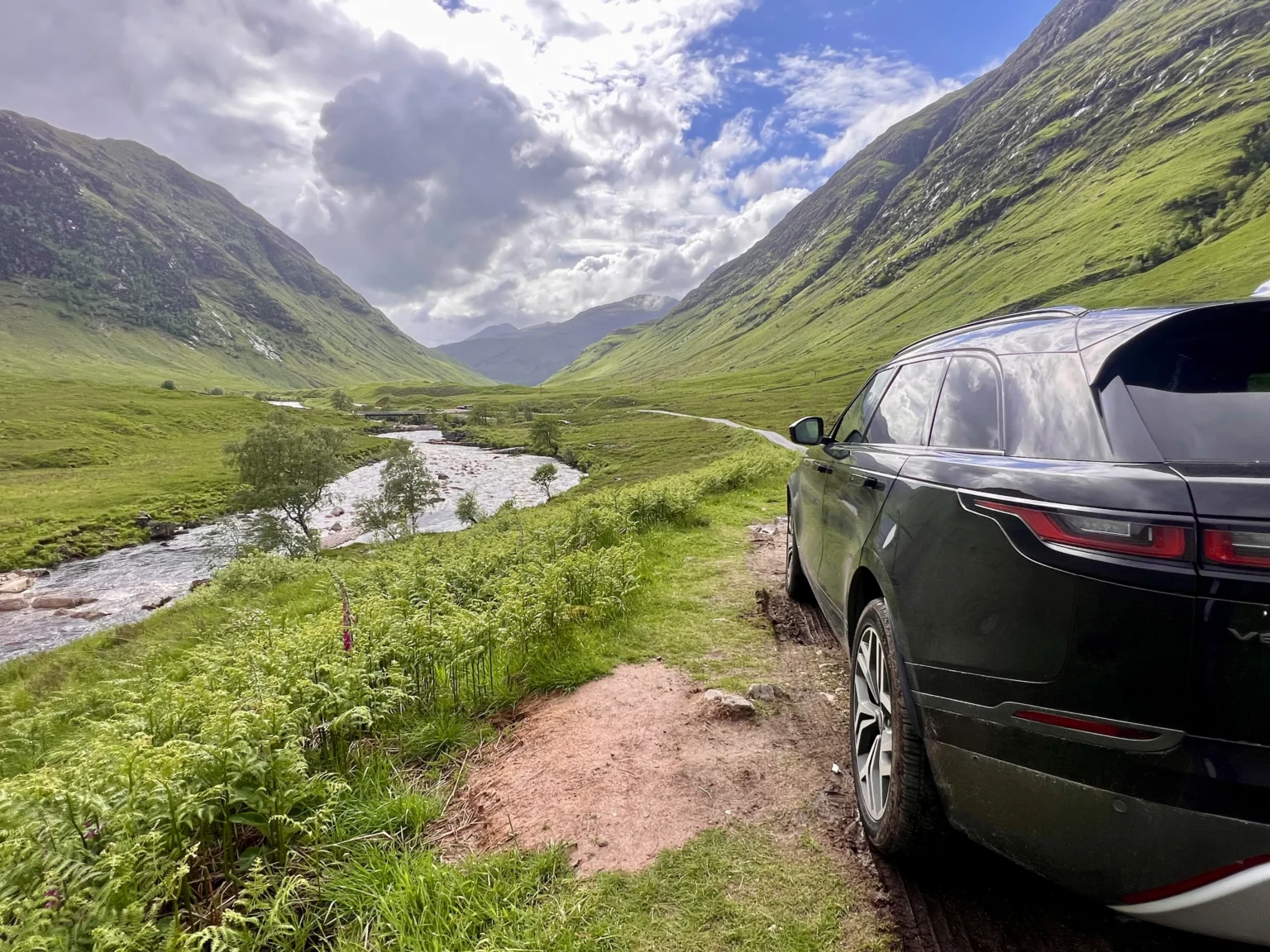
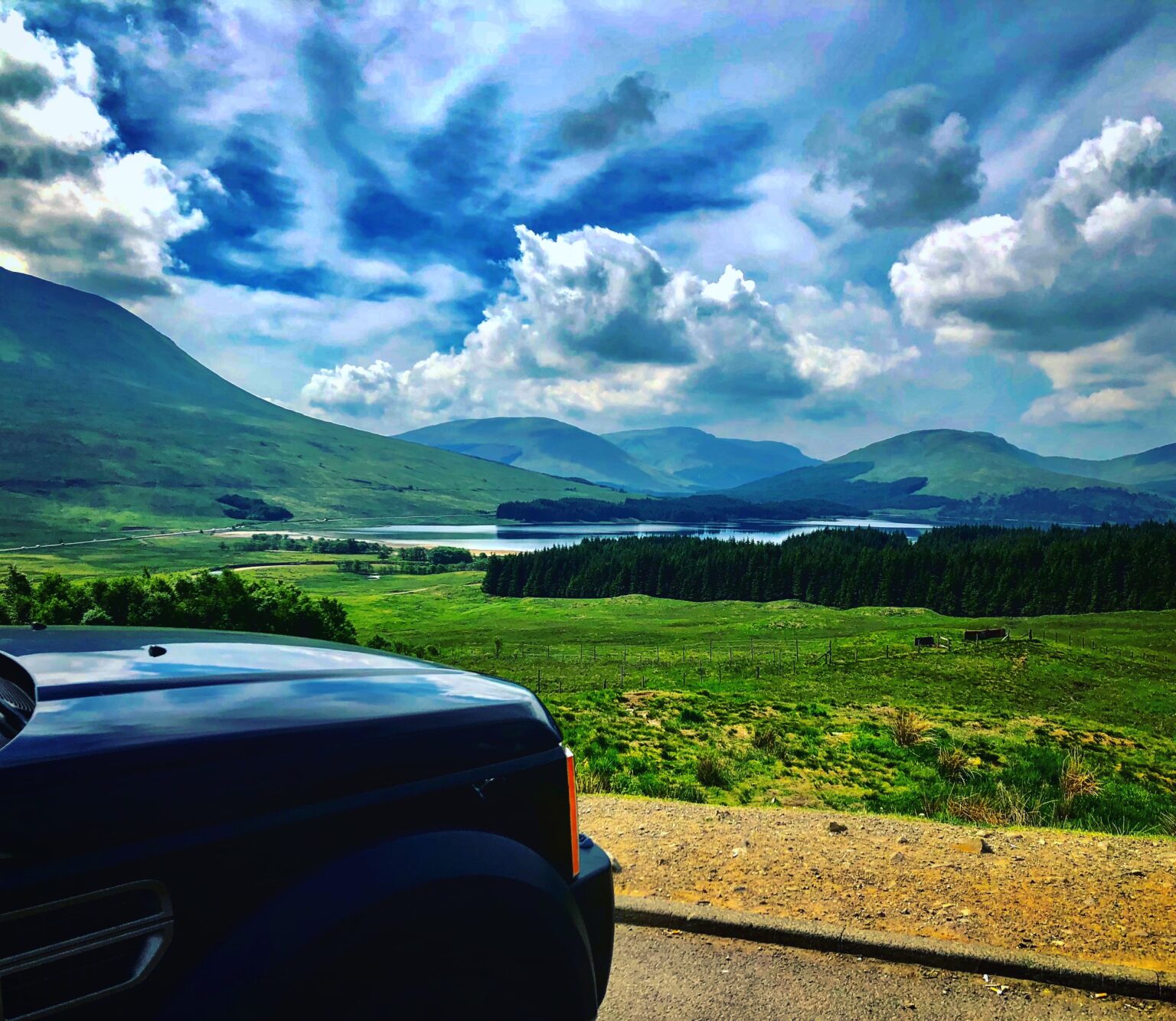
Your own Range Rover and a local driver-guide, all day
Many tour companies in Scotland sell seats on a shared coach — and that’s often what a travel agency in Edinburgh will book for you. Tycoon Tours is an Edinburgh-based tour operator in Scotland that runs every tour privately, in our own Range Rover with a driver-guide who actually lives here — so the day belongs to you, not to a timetable.
Private, never shared
Your own vehicle and your own guide for the whole day. No strangers on board, no coach park, no waiting on anyone else’s schedule.
A driver-guide, not a driver
Thirteen years of Scottish history, folklore and local stories, told properly along the road by someone who grew up with them.
Your day, changed on the day
Linger where you love it, skip what you don’t. The itinerary bends around you — not the other way round.
Comfort on Highland roads
A 4×4 Range Rover or executive vehicle, collected from your Edinburgh hotel door and returned there at the end of the day.
Scotland Map: Your Questions Answered
Where is Edinburgh on the map of Scotland?
Edinburgh is on Scotland’s east coast, on the southern shore of the Firth of Forth. It is about 47 miles east of Glasgow and roughly 50 miles north of the border with England. Every Tycoon Tours trip starts with pickup from your Edinburgh hotel.
Is Scotland a country?
Yes. Scotland is one of the four countries that make up the United Kingdom, with its own parliament, legal system and national identity. Its capital is Edinburgh and its largest city is Glasgow.
Is Scotland part of the UK and Great Britain?
Yes. Scotland is part of the United Kingdom and makes up the northern third of the island of Great Britain. It is part of Europe, and it left the European Union with the rest of the UK in 2020.
What are the main regions of Scotland?
For travel, Scotland is usually split into the Lowlands (Edinburgh, Glasgow, Fife, Stirling and the Borders), the Highlands, and the Islands, such as Skye, the Outer Hebrides, Orkney and Shetland. For local government it is divided into 32 council areas. The regions map above shows how far each area is from Edinburgh.
How big is Scotland, and how long does it take to drive around?
Scotland covers about 80,000 km² (31,000 square miles), roughly 60% of the size of England. From Edinburgh it is about an hour to Stirling, two and three-quarter hours to Glencoe, three and a half hours to Loch Ness and around five hours to the Isle of Skye.
How far is Scotland from London?
Edinburgh is about 400 miles from London. The drive takes around seven to eight hours, the train about four and a half hours, and a flight a little over an hour. Glasgow is a similar distance from London.
How many islands does Scotland have?
Scotland has around 800 islands, and about 90 of them are lived on. The best known include the Isle of Skye, Mull, Iona, Lewis and Harris, Orkney and Shetland.
What are the best places to visit in Scotland?
Edinburgh Castle and the Old Town, Stirling Castle, Loch Lomond, St Andrews, Glencoe, Loch Ness, the Glenfinnan Viaduct, Eilean Donan Castle and the Isle of Skye are the places most first-time visitors want to see. All of them are pinned on the map above.
What is the most beautiful part of Scotland?
Most visitors would say the west Highlands: Glencoe, the road to the Isle of Skye past Eilean Donan Castle, and Skye itself. If you have less time, Loch Lomond and the Trossachs are closer to Edinburgh and almost as scenic.
How many days do you need to see Scotland?
Five to seven days lets you see Edinburgh, the Highlands and the Isle of Skye without rushing. Staying in Edinburgh, you can reach Stirling, St Andrews, Glencoe and Loch Ness on day tours, and a three-day tour covers Skye.
What is the best way to get around Scotland?
Trains and buses connect the main cities, but much of the Highlands is reached by single-track roads with limited public transport. A car or a private driver is the easiest way to reach the glens and lochs, and ferries link the mainland to most islands. The Isle of Skye is reached by a road bridge.
How do I see the Scottish Highlands from Edinburgh?
Our Highlands & Loch Ness day tour covers Glencoe and Loch Ness in about 12 hours. With more time, our 3-day Highlands & Isle of Skye tour reaches the west coast and Skye without rushing.
Can you plan a private tour using places from the map?
Yes. Tell us which places you would like to see and we will plan a private route from your Edinburgh hotel, with one clear price for the whole vehicle. Start on our custom tours page.
What is your cancellation policy?
Our cancellation and refund terms are set out in full in our terms and conditions, so you can read them before you book.
Seen Somewhere You’d Love to Go?
Tell us which places caught your eye on the map. We’ll plan a private route from your Edinburgh hotel and reply within 24 hours with one clear price for the whole vehicle.
One price for the whole vehicle, confirmed in writing before you book.
© 2026 Tycoon Tours Scotland. All rights reserved.